In a school emergency, safety isn’t just about how you respond in the moment — it’s about how you reconnect students with their parents or guardians after the threat has passed. This process, called reunification, is a vital part of crisis recovery, and it requires more than a written plan.
Reunification drills are what bring that plan to life.
Whether your school is facing a natural disaster, chemical hazard, fire, or a violent event, practicing your reunification procedures helps reduce chaos, improve communication, and restore trust in moments that matter most. Research shows that a smooth, well-organized reunification can even reduce the long-term emotional impact on students.
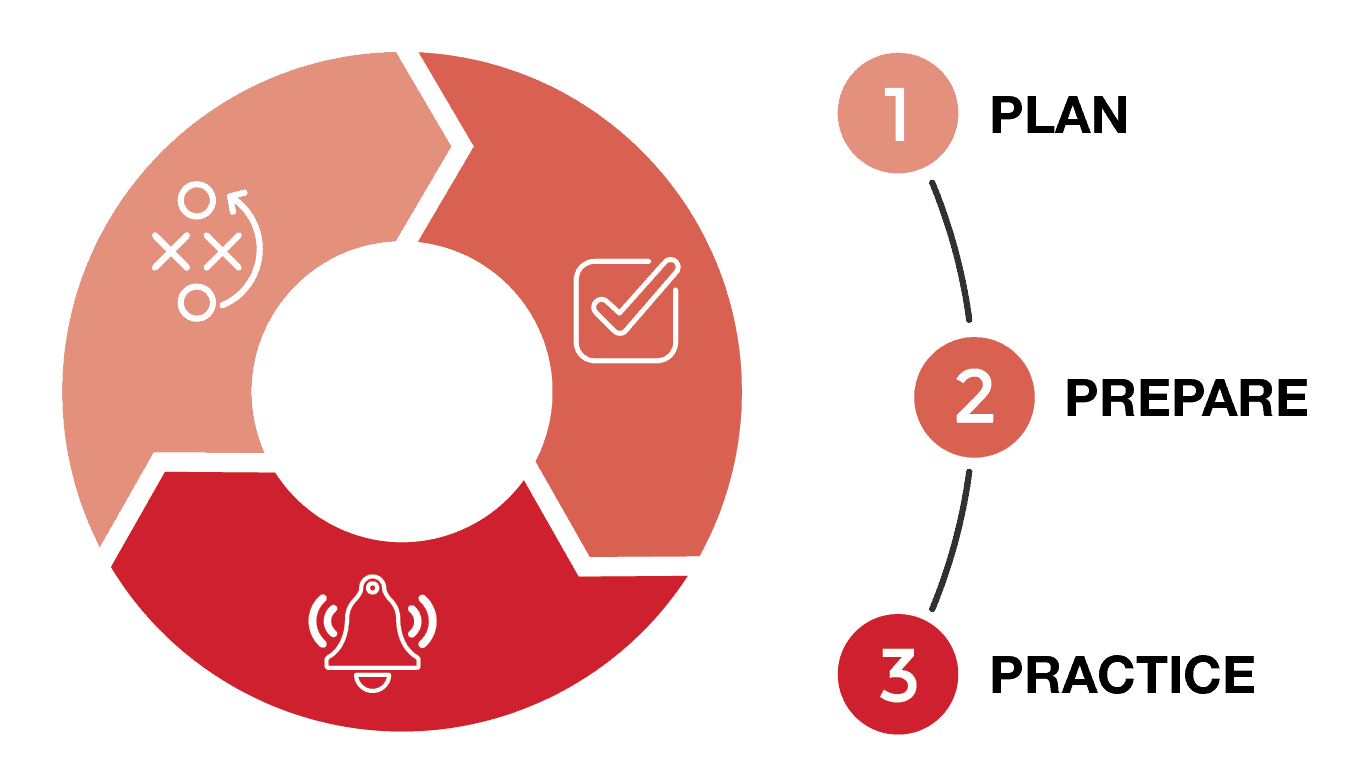
This virtual toolkit will guide you through a three-phase approach: plan, prepare, and practice. With the right reunification training and tools, your school can build confidence, clarity, and coordination — long before a real event occurs.
Plan: Build Your School’s Reunification Drill Structure
A strong reunification drill begins with a structured plan. That means identifying the right people, places, and procedures ahead of time.
Start by Defining Your Reunification Site(s)
- Select at least one off-campus reunification site.
- Choose a location that is accessible, secure, and large enough to handle your student population and caregiver traffic.
- Plan for a Double Gate System: a Request Gate where parents check in, and a Release Gate where verified students are released.
Assign Key Roles in Advance
- Incident Commander: Oversees the full reunification operation.
- Student Runners: Retrieve students from the holding area.
- Parent Liaisons: Guide parents through the process and provide support.
- Check-In Teams: Verify ID, ensure custody, and manage sign-outs.
Gather Materials and Tools
- Student and staff rosters with emergency contact info
- Reunification go kits with signage, radios, chargers, and paper backups
- ID cards and student release forms
- Communication tools (PA system, radios, text alert platforms)
Establish a Documentation Flow
- Who signs in students at the holding area?
- How are parents verified and students released?
- How is custody transfer documented?
Reunification Drill Prep Checklist
- Primary and secondary reunification sites selected
- Roles assigned and trained
- Emergency contact data verified
- Communication protocols outlined
- Supplies and signage staged
- Legal and privacy compliance reviewed
Psychological Impact: A well-executed reunification drill doesn’t just restore order — it restores emotional safety. Helping students reconnect calmly and securely with caregivers can lower trauma and promote resilience in the aftermath of an incident.
Prepare: Deliver Reunification Training to Staff
Reunification plans don’t work unless your team is trained to implement them. Reunification training should be delivered in phases to increase retention, build confidence, and clarify roles.
Phase 1: Tabletop Exercises
- Conduct scenario walk-throughs using paper simulations.
- Talk through possible bottlenecks and staffing gaps.
- Debrief as a team to identify and resolve confusion.
Phase 2: Role-Specific Reunification Training
- Front office: Prepare for parent calls and media inquiries.
- Counselors: Train for reunification trauma support.
- Security/SROs: Practice site control and access management.
- Transportation staff: Understand how to support evacuation and reunification logistics.
Phase 3: Communication Training
- Learn how to issue clear, timely messages via phone, email, social media, and text.
- Rehearse what to say to parents about when, where, and how they will be reunited with their children.
- Emphasize the need for plain language — not just codes.
What to Include in a Staff Reunification Training Session:
- Drill objectives and safety context
- Roles and responsibilities
- Reunification site layout and traffic flow
- Emergency communication protocols
- Student and parent accountability process
- Mental health and emotional support procedures
What Do Parents Need to Know?
Before any drill or real event, inform families:
- Where to go (with maps, if possible)
- What to bring (photo ID)
- What to expect (wait times, controlled release process)
- That no student will be released without proper ID
- That their patience is essential for ensuring everyone’s safety
Practice: Run a Full-Scale Reunification Drill
After planning and training, it’s time to practice — not just internally, but with your whole school community.
Sample Reunification Drill Timeline
- Simulate an emergency event (active threat, gas leak, fire, etc.)
- Evacuate students to the reunification site
- Activate your reunification site and mobilize team members
- Receive and process caregivers at the Request Gate
- Verify identities and release students from the Student Holding Area
- Guide families out through designated exits
- Debrief with staff and document key takeaways
Considerations for a Realistic Drill
- Run a staff-only drill first to refine logistics
- Host a community-inclusive version later in the year with participation from:
- School Resource Officers
- Local police, fire, and EMS
- Mental health counselors
- Bus drivers and food service workers
Drill Tip: Schedule reunification drills at the start or end of the school year for maximum impact and participation.
Communicating the Drill to Families
Parents are your most important partners in a reunification drill. Clear, proactive communication helps them feel reassured, not alarmed.
Before the Drill
- Send letters, emails, or flyers home explaining the purpose of the drill.
- Let parents know if students will be transported, how long the drill will last, and what their child should expect.
- Reassure them that the drill is a training exercise, not a response to a real threat.
During the Drill
- Be prepared for increased phone calls or visits to the school.
- Have talking points ready for front office staff and administrators.
- Post regular updates on your school website or social channels.
After the Drill
- Share results: what went well, what you learned, and next steps.
- Reinforce the importance of practicing for everyone’s safety.
Reunification Drills Save Time, Lives, and Trust
A reunification plan is only as strong as the people who carry it out — and they can only succeed if they’ve had the chance to practice.
Reunification drills reduce chaos, clarify communication, and restore order when families need it most. They also send a clear message to your community: this school is prepared, not just on paper, but in practice.
Ready to strengthen your school’s reunification procedures?