
School safety has become one of the most pressing issues in education today. The CDC’s Youth Behavior Risk Survey shows a growing trend in students missing school due to feeling unsafe. While keeping students safe from physical harm is often the first thing that comes to mind, true safety also depends on protecting their emotional and psychological well-being. Incidents like bullying, school shootings, and rising mental health challenges among students highlight how critical it is to build schools where young people feel secure, supported, and valued. Teachers are at the heart of this effort.
As trusted adults who interact with students every day, teachers have the power to create inclusive classrooms that foster belonging, resilience, and personal growth. When schools adopt programs and policies that emphasize respect, well-being, and inclusivity, and when teachers actively bring those practices to life, school communities can reduce violence and bullying, strengthen relationships, and lay the foundation for safe, positive learning environments.
By implementing practical strategies, schools can empower teachers to create safe and supportive learning environments. While some of these strategies may be familiar, schools should consider how to build on what they’re already doing so that all members of the school community can thrive.
Core Classroom Strategies for Safer Learning Environments
By promoting social and emotional skills, intentionally building strong relationships, and honoring the unique identities of every student, teachers create classrooms that are more connected and fundamentally safer.
Strengthen Social Skills
Communication, empathy, conflict resolution, and cooperation help students handle daily challenges. Without these skills, students are more likely to experience depression, loneliness, peer rejection, and social aggression—all of which can threaten school safety. Teachers can:
- Embed SEL into daily lessons. Give students regular opportunities to practice empathy, communication, and conflict resolution as part of everyday instruction.
- Teach and model social skills directly. Break skills into steps, show what they look like in action, and let students practice through role-play with feedback.
- Encourage positive peer connections. Use group projects and activities that build supportive friendships and reduce isolation.
Foster Emotional Regulation
Emotion regulation, the ability to recognize, manage, and express emotions, helps students cope with stress and respond constructively to challenges. Students who struggle with emotional regulation are more likely to act out in ways that threaten safety, while students with stronger skills build resilience and reduce conflict. Teachers can:
- Model calm responses. Demonstrate regulation by managing emotions openly and constructively.
- Teach emotional vocabulary. Provide students with the words they need to identify and share their feelings.
- Introduce mindfulness practices. Use short breathing exercises or mindful pauses to support coping and create calmer classrooms.
Build Relationships with Students
Positive teacher–student connections safeguard school safety. Strong relationships reduce conflict and disruptive behavior, especially for students who have experienced trauma. Teachers can:
- Use proactive classroom management. Set clear expectations, collaborate with students on rules, and use restorative practices to build trust that teachers can rely on when conflicts arise.
- Look deeper at disruptive behavior. Respond with curiosity and compassion, recognizing that behavior often signals an unmet need.
- Protect one’s own well-being. Manage stress and practice self-care, since relationships are harder to sustain when teachers are overwhelmed.
Honor Student Identities
When students feel seen and valued, they are more likely to engage positively and contribute to a safe environment. Teachers can:
- Use affirming language. Learn and use students’ names and pronouns, and avoid stereotypes or deficit-based language.
- Include diverse perspectives. Choose materials and examples that reflect students’ backgrounds and experiences.
- Partner with families and communities. Invite families to share stories and traditions to build authentic cultural connections.
Shared Responsibility & Sustainable Safety
Creating truly safe schools requires a shift in mindset, from treating safety as a set of rules to embracing it as a shared, ongoing commitment. When students, teachers, school administrators, families, and all leaders take responsibility for fostering respectful and inclusive environments, safety becomes part of the school culture, not just a policy.
- Shift the Mindset. Safety is rooted in relationships, trust, and shared ownership. Proactive practices that build community and prevent harm must take priority over reactive enforcement.
- Empower Students. Students help shape school culture. Teaching autonomy, emotional regulation, and conflict-resolution skills equips them to navigate challenges, support peers, and foster connection.
- Support Teachers. Teachers are central to school safety and need tools, training, and emotional support. Investing in trauma-informed and culturally responsive practices, and in educator well-being, builds their capacity to create safe, supportive classrooms.
Bringing It All Together: Safe Schools Start with Empowered Teachers
Sustainable safety doesn’t come from a single program. It grows through daily actions, shared values, and a collective commitment to care. When teachers embed specific school safety protocols and strategies into daily teaching and classroom management practices, they create conditions where students feel valued, understood, and equipped to resolve conflict peacefully. This fosters a culture of safety in which everyone benefits from a positive school climate that supports both academic achievement and social-emotional growth.
While many of these strategies may already be utilized, schools must invest in their teachers’ personal and professional capacity. This means offering ongoing training on trauma‐informed and culturally responsive teaching, providing clear protocols for identifying and de‐escalating safety concerns, and ensuring access to resources that promote teacher well‑being (e.g., coaching, peer support, and self-care initiatives).
By taking these actions, teachers can cultivate school climates that simultaneously prioritize safety, foster supportive relationships, and promote student growth. What’s your school’s next step toward empowering teachers and creating safe schools?
Quick List of Takeaways: School Safety Tips for Teachers
- Co‑create clear norms and routines with students at the start of every school year.
- Teach and model social skills daily (empathy, communication, repair).
- Build emotion check‑ins and teach feeling vocabulary.
- Use brief mindfulness or breathing breaks to reset.
- Practice proactive classroom management and restorative responses.
- Apply calm, consistent de‑escalation moves when conflict rises.
- Invest in relationships (regular check‑ins; greet & scan).
- Use identity‑affirming language and materials.
- Structure peer connection (purposeful groups, roles, feedback).
- Know and teach your reporting pathways (who/when/how to escalate concerns).
- Document concerns accurately and collaborate with your school’s threat assessment/care team.
- Protect your own well‑being to sustain relationships and safety work.
Interested in learning more?
Hear from experts Dr. Joe Mckenna and Katherine Schweit as they challenge outdated thinking and offer leadership lessons in school safety. See how school districts around the country are building a true culture of safety without adding complexity or exhausting staff.
If you’re leading MTSS, student services, school safety, or crisis response, this resource will help you align your people, simplify your tools, and turn compliance into confidence.
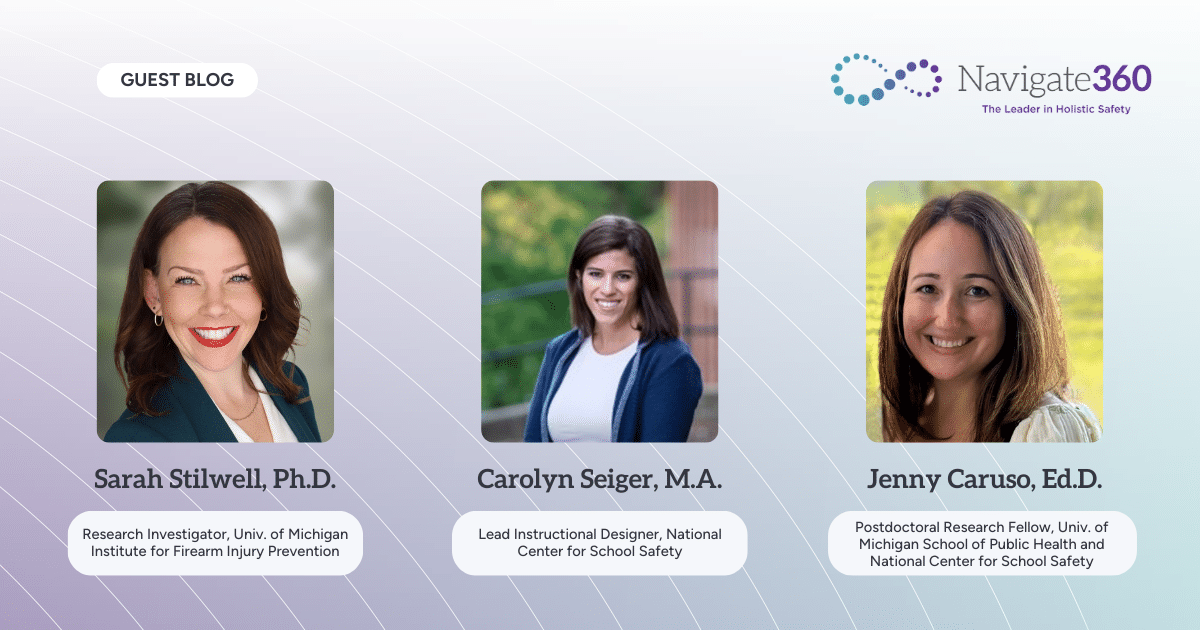
About the Authors
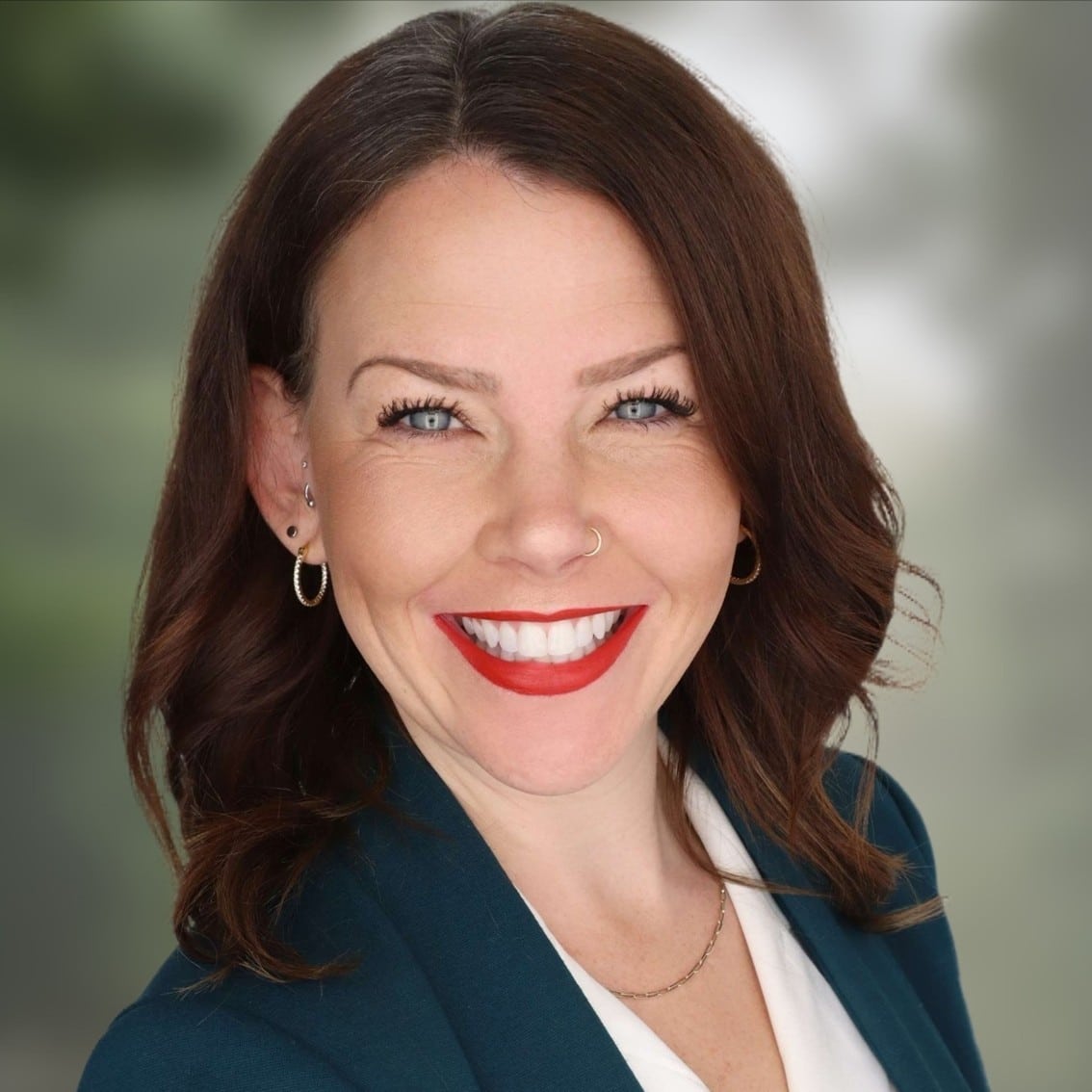
Sarah Stilwell, Ph.D.
Dr. Stilwell is a member of the leadership faculty at the National Center for School Safety (NCSS), housed at the Institute for Firearm Injury Prevention at the University of Michigan. Her research centers on comprehensive school safety, evaluation and implementation efficacy, youth violence prevention, and positive youth development. With experience in elementary education, Sarah brings a unique perspective to her research that seeks to bridge both research and practice using evidence-based approaches that create safe and inclusive environments for all school community members. She uses mixed-methods and community-based research approaches to elevate practitioner and student voices and experiences to create learning spaces that are inclusive and authentic and may help reduce educational equity gaps. Sarah earned her Ph.D. from the University of Michigan in Educational Psychology.

Carolyn Seiger, M.A.
Carolyn is the Lead Instructional Designer at the NCSS. She brings experience in adult learning and creating accessible educational content. She supports the development of self-paced courses, toolkits, and other large-scale training for the NCSS. Her interests are making learning interactive and engaging, and she uses her experience teaching elementary school to uplift best practices for keeping all school community members safe and supported.

Jenny Caruso, Ed.D.
Dr. Caruso is a postdoctoral research fellow at the University of Michigan School of Public Health and National Center for School Safety. Drawing on her background as a former middle and high school teacher in the Bronx, NY, she supports initiatives that seek to advance research on school safety, teacher well-being, and trauma-informed practices. Jenny leverages her experience and passion to develop the use of evidence-based strategies to create safer school environments for both students and teachers.


